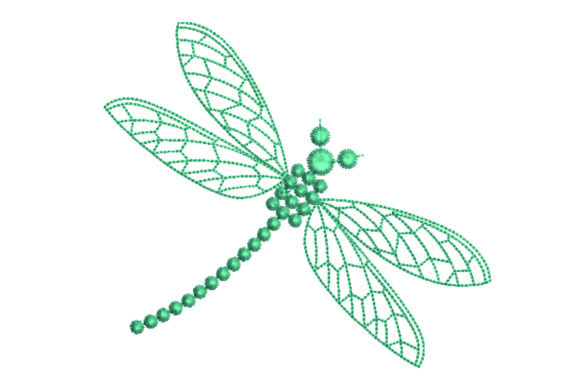
Dragonfly Vintage Style: A Timeless Pick for Craft Fairs
I have been designing and producing embroidery for craft fairs and small shops for over a decade, and every season I look for those rare designs that strike the perfect balance between easy production, visual punch, and wide customer appeal. When I opened the file for Dragonfly Vintage Style, I knew I was looking at exactly that kind of workhorse design. It is charming, it is stitched in a single color, and it carries a soft vintage feel that fits into so many handmade product categories. This review is my honest, booth‑tested take on why this particular embroidery design can become a quiet bestseller for your next market, your Etsy shop, or your boutique line of finished goods.
First Impressions: The Beauty of One‑Color Simplicity
The very first thing I noticed about Dragonfly Vintage Style is how concise in form it feels. This is no cluttered insect illustration. The shape reads instantly as a dragonfly, yet the wings and body are stylized with a vintage, almost heirloom quality that makes it look expensive. Because it is designed for one‑color execution, the whole motif relies on clean linework and well‑placed open spaces, nothing fussy, nothing overly dense. That simplicity gives it a crisp, elegant presence on fabric, whether you stitch it large on the back of a tote or small on a collar point.
From a craft fair seller’s perspective, one‑color designs are pure gold. They let you change the thread color to match any product line without rethinking the entire color story. I immediately pictured this dragonfly in soft sage green on a linen pillow cover, in warm gold on a deep indigo apron, and in classic white on a grey tea towel. The vintage styling means it doesn’t scream “summer bug” — it whispers “slow living, nature, nostalgia,” which customers at artisan markets absolutely gravitate toward.
Where Dragonfly Vintage Style Belongs in Your Booth
After test‑stitching a sample, I walked through my usual craft fair table layout and placed this design on the products I know will move. Here is how it performs across the most reliable handmade and commercial embroidery items.
Tote Bags and Market Bags
The dragonfly centered on a natural cotton tote or an oversized jute market bag is an instant hero piece. At a generous 4 to 5‑inch placement, the vintage lines have room to breathe, and the single‑color needlework looks deliberate and upscale. Customers read this as a “curated” tote, not just a printed graphic. That boosts the perceived value enough that you can price it firmly in the premium handmade range.
Aprons and Kitchen Linens
On a full bib apron, the design placed off to one side near the hem or on the pocket creates a beautiful focal point. It works equally well on tea towels, especially when paired with a simple hemstitched border. The one‑color approach means it won’t fight with patterned kitchen fabrics, and it stitches out fast enough that you can batch‑produce a half dozen towels during a single embroiderer’s work session. For farmhouse, cottagecore, and classic rustic kitchen themes, this dragonfly is a perfect fit.
Embroidered Patches and Small Accents
The shape of Dragonfly Vintage Style is compact and self‑contained, which makes it very easy to turn into a standalone embroidered patch. I tested it on a sturdy twill base with a light fusible backing, and the finished patch looked like a small piece of jewelry. These are ideal for hat bar add‑ons, denim jacket customization, and impulse‑buy baskets right by the checkout. Just be mindful of the stitch density when scaling down — more on that later.
Pillow Covers and Home Decor
Lumbar pillow covers in a neutral woven texture were the surprise standout. Stitched in a soft charcoal or dusty blue, the dragonfly gave the pillow an artisanal, almost block‑print feel. Customers pick these up, run their fingers over the stitching, and immediately connect it to a cozy home. As a home decor seller, you want that emotional reaction, and this design reliably delivers it.
Caps, Pouches, and Small Wearables
On unstructured dad caps, I had the best luck placing the design on the side panel rather than the front crown, where the curved surface forced a bit too much distortion on the delicate wing tips. On a flat fabric zip pouch or a simple canvas pencil case, however, it looked flawless. It reads beautifully on linen drawstring gift bags, too — the kind of eco‑friendly wrapping that adds handmade value before the gift is even opened.
The Craft Fair Sales Perspective: Why This Design Catches Eyes
At an actual market, you have only seconds to catch a browser’s attention. What I love about Dragonfly Vintage Style is that its silhouette is recognizable from across the aisle. The elongated wings with that subtle vintage curve create a gentle movement that pulls the eye even on a crowded table. And because it’s a one‑color embroidery, you don’t risk losing definition among brightly printed tablecloths or neighboring booths with busy displays.
When I photograph my finished products for Etsy listings and social media, this dragonfly is a dream. The texture of the stitching catches natural light beautifully, and the vintage shape photographs as crisp and intentional. Pair it with some dried florals or a vintage‑toned backdrop, and you have listing images that tell a story. The emotional read is “slow fashion,” “artisan made,” and “thoughtful gift” — exactly the keywords that convert well for small shop owners and digital embroidery file sellers offering finished product inspiration.
For those selling digital embroidery files, this design is a strong asset because the single‑color simplicity makes it compatible across nearly all machine types, and the vintage style has a broad, season‑spanning appeal. A buyer can immediately envision it on spring blouses, summer totes, and autumn home accessories. That versatility makes it an easy purchase.
Production Notes for Commercial Embroidery and Small Batch Makers
Before you start stitching out a dozen for inventory, here are the practical production insights from my own trial run.
- Hoop and placement planning: The design’s proportions feel balanced at roughly 3.5 to 5 inches in width for most products. Always check the exact hoop requirements of your specific machine embroidery design file. I always print a paper template and physically pin it onto the finished product to confirm positioning before a single stitch is made.
- Thread color flexibility: Because this is a one‑color design, you can pivot quickly. For a rustic display, I used a matte cotton thread. For a more upscale, boutique aesthetic, a tiny bit of rayon sheen elevated the linework. Changing skeins also lets you match seasonal trends without altering the design.
- Stabilizer is non‑negotiable: On linen tea towels, a medium cut‑away stabilizer gave me the best finish without puckering. For tote bags, I added a tear‑away on top to keep the stitches sitting on the fabric surface rather than sinking in. Wrong stabilizer choice can make those vintage wing lines look wavy, so take the time to test.
- Stitch density and flow: The design reads as concise and well‑digitized for a light, airy look. I did notice that some of the inner wing details use small stitches that can build up density if the design is reduced below a certain size. That is not a flaw; it is just a reminder to respect the intended size range of the embroidery file you purchased. If you need a tiny accent for patches or pocket corners, stitch a test first and watch for any thread breaks on densely woven fabrics.
- Fabric color and contrast: To keep the vintage quality intact, I recommend fabrics with a natural or heathered texture. Pure bright white can work, but a soft oatmeal, chambray, or even a muted blush really makes the dragonfly feel like a timeless antique etching. On very dark fabrics, choose a thread with a little body — a slightly thicker 40‑weight thread often shows up better than a fine 60‑weight, especially on black canvas.
Careful‑Use Alerts: What to Watch Before You Commit
Every design has production limits, and a thoughtful review must acknowledge them. Here are the careful‑use notes that matter for Dragonfly Vintage Style when you are making products for a paying customer.
- Don’t push the size too small: The delicate wing connections and subtle point work will lose definition if you shrink the design far below its recommended dimensions. I would not go under 2.5 inches for a patch and not under 3 inches for fabric applications where the weave may soften clean points. If you are unsure, create a stitch‑out on a firm cotton calico first and inspect the detail.
- Texture‑heavy fabrics demand caution: Thick terry towels, fleece, and heavily napped fabrics can swallow the fine lines. For tea towels, a flat‑weave cotton or linen‑blend gives a much crisper result. If you only have textured blanks, use a water‑soluble topper to keep the detailed wing area from blurring into the pile.
- Curved cap surfaces: As mentioned, the front crown of a structured cap can stretch the design, distorting the symmetry. I found side placements or the flat area just above the back closure worked perfectly. Always pin your paper template on the actual cap and check from all angles before hitting start.
- Dense stitch areas on delicate fabric: The body of the dragonfly may carry a slightly denser fill. On very lightweight silks or thin rayon, this can pull. Test with the exact fabric and stabilizer you intend to sell. A soft tear‑away or a wash‑away plus a light topper almost always solves the issue.
- One‑color does not mean “no planning”: Since the entire design is the same color, thread breaks or tension inconsistencies show up immediately. Run a test stitch in your chosen thread on scrap fabric, confirm consistent tension, and then lock that machine setting. Your finished product depends on flawless execution because there is no second color to distract the eye from a bobbin line.
Visual Appeal and Booth Display Strength
The real magic of Dragonfly Vintage Style at a craft fair is how it encourages mix‑and‑match display groupings. I set up a small collection using natural linen pouches, oatmeal tea towels, and sage green totes — all with the same dragonfly in a warm ivory thread. The visual cohesion was striking. Customers could pick up a pouch, then immediately see a matching towel, and the story of “a coordinated vintage nature collection” sold itself. That kind of intentional yet understated brand consistency is exactly what handmade business owners need when building a loyal customer base.
It also works as a beautiful complement onto other already‑decorated blanks. For example, a simple blue stripe kitchen towel with the dragonfly stitched near the border became an elevated boutique item in seconds. The vintage style pairs elegantly with ticking stripes, subtle florals, and even textural solids. It does not overpower the base product; it enhances it.
Embroidery Designer’s Final Checklist
Before you commit your inventory or your Etsy listing to this design, run through your own due diligence. My personal checklist after my test batch looked like this:
- Stitch a full‑size sample on the exact fabric you will sell. Check the tension, the thread sheen, and the stabilizer pairing.
- Compare the result against at least two fabric colors. A warm toothy linen and a dark washed canvas, for instance, give very different vibes. Both can be beautiful, but you need to know what your customer will receive.
- Create a real, photographed mockup for your online listing. A flat lay with props sells the lifestyle, but include a close‑up of the stitching so buyers see the quality.
- Inspect stitch density at the final size. If your file allows size adjustments, be conservative. Too small, and you lose the vintage delicacy.
- Confirm that your commercial license covers finished product sales at craft fairs and online. Most digital embroidery file sellers provide clear terms; if you do not see them, reach out to the designer. Do not assume.
- Repeat the stitch on a second, identical blank to confirm consistency for batch production. Time how long each piece takes from hoop to finish. That determines your pricing and profit margin.
Is Dragonfly Vintage Style a Smart Booth Investment?
Absolutely. This is not a trend‑chasing design; it’s a quietly classic motif that will sell in spring, summer, and deep into fall. The one‑color execution means it is accessible to embroiderers at all skill levels, and the vintage charm makes it an easy upsell as a “handcrafted heirloom” piece. For a full‑time maker building a cohesive product line or an Etsy seller looking for a new digital embroidery file to showcase, Dragonfly Vintage Style delivers reliable, beautiful, and easy‑to‑market results.
When a design can move from an embroidered tea towel to a gift pouch to a cap accent without losing its identity, you have found a versatile workhorse. I am already planning my next market booth around it, and I expect it will become the silent bestseller on my table — the piece customers pick up first and carry to the checkout with a smile.